
Dry needling is a therapeutic technique that uses fine needles to target trigger points in muscles, relieving pain and tension.
This treatment helps improve mobility, reduce inflammation, and promote healing, making it effective for musculoskeletal conditions, sports injuries, and chronic pain.
Fine needles penetrate specific points within tight muscle bands, stimulating a healing response that increases blood flow to affected areas. The technique addresses persistent discomfort that develops from repetitive activities, poor posture, or previous injuries.

Your therapist inserts thin, sterile needles into trigger points causing pain and restricted movement. This creates a localized twitch response in the muscle, helping release tension and restore normal function to the affected area.
The needles reach deeper tissue layers that manual therapy alone may struggle to access effectively. This makes dry needling particularly useful for stubborn muscle knots and chronic tension that have not responded well to conventional massage treatments.
The technique promotes natural pain relief by encouraging your body to release chemicals that reduce discomfort. Improved blood flow to treated areas supports faster recovery and tissue healing.
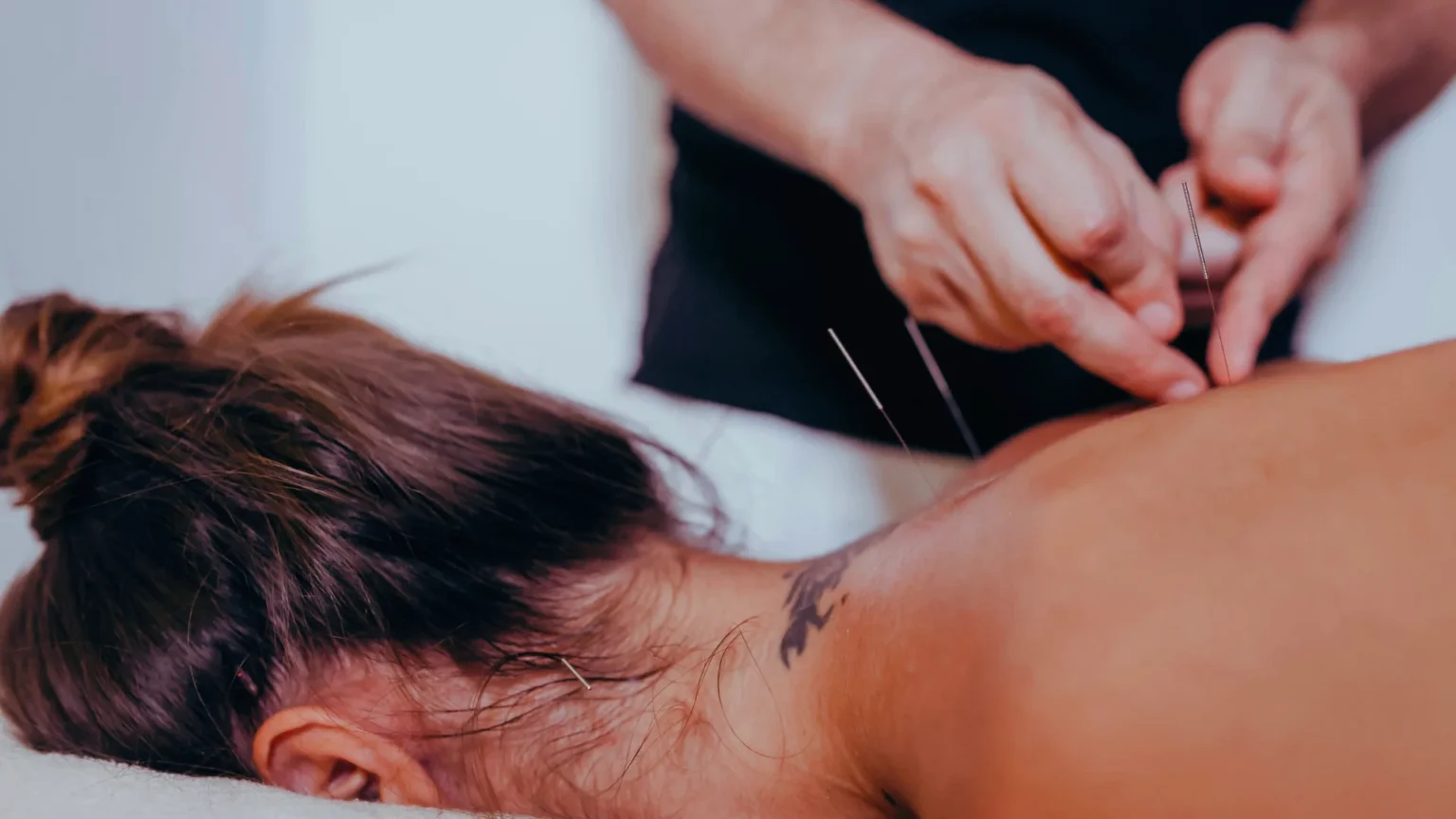
Our qualified therapists combine dry needling with other manual therapy techniques for comprehensive treatment.
Whether addressing chronic neck pain, lower back restrictions, shoulder tension, or sports-related injuries, dry needling provides targeted relief for persistent musculoskeletal conditions.
Located in Westway Sports Centre near Holland Park and White City stations, our clinic offers convenient access with ample parking.
Q: Does dry needling hurt?
A: Initial needle insertion feels like a slight pinprick, though you may experience brief muscle twitching when trigger points release. Most clients find the process comfortable.
Q: How many dry needling sessions do I need?
A: Treatment frequency depends on your condition. Generally, 3-6 sessions provide significant improvement, with some clients requiring ongoing maintenance treatments.
Q: What conditions respond well to dry needling?
A: Dry needling effectively treats tension headaches, neck pain, lower back pain, shoulder impingement, tennis elbow, and various muscle-related conditions.
Q: Is dry needling the same as acupuncture?
A: While both use needles, dry needling specifically targets trigger points using Western medicine principles, unlike acupuncture’s traditional Chinese medicine approach.
Q: Are there any side effects from dry needling?
A: Side effects are minimal, though some clients experience temporary soreness, minor bruising, or fatigue. These effects typically resolve quickly.