
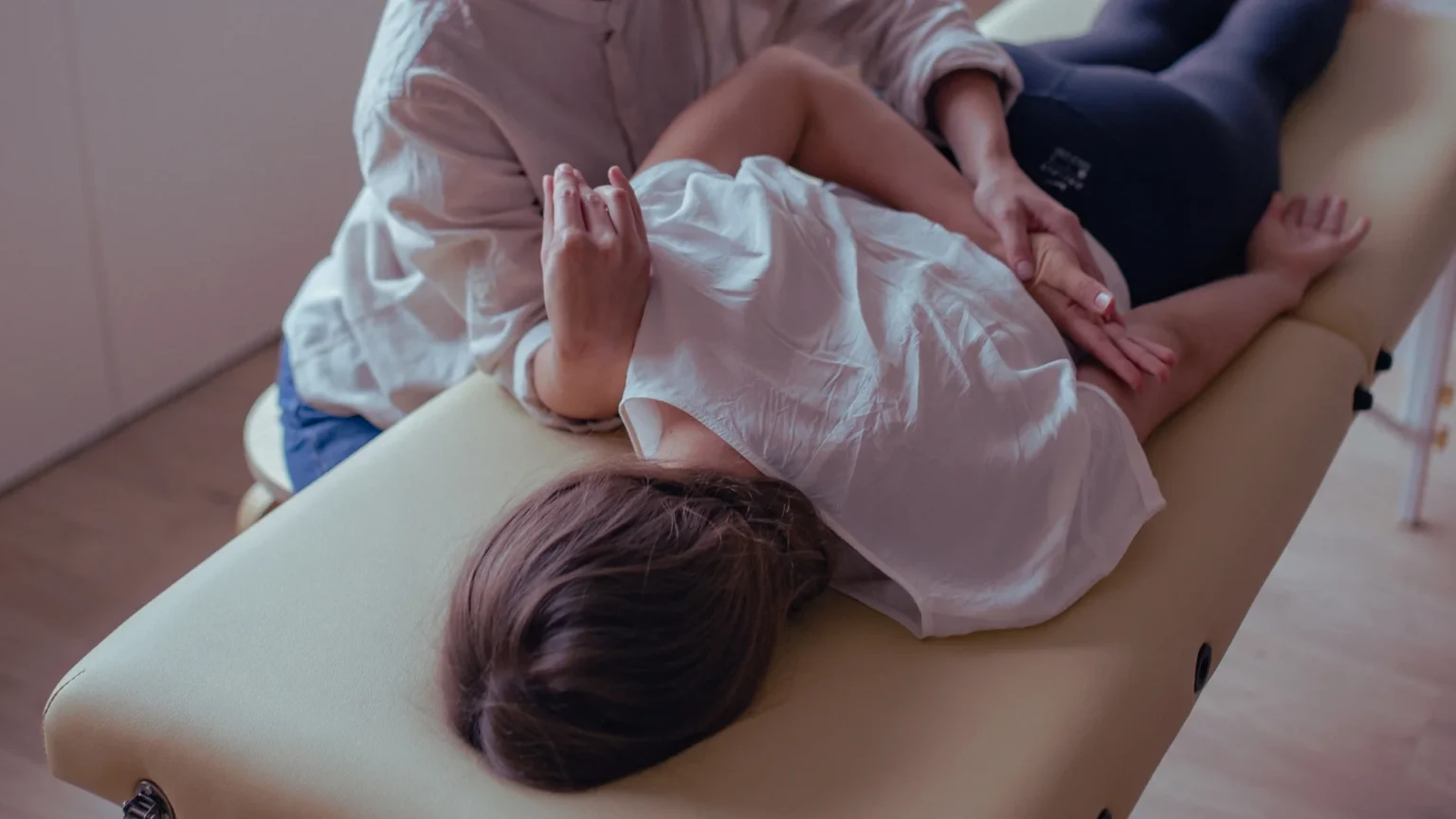
An osteopathy clinic offers a different approach to health and wellness compared to traditional massage therapy, and understanding these differences helps you make informed decisions about your treatment needs. Both therapies provide valuable health benefits, yet they work in distinctly different ways to address your body’s requirements.
Osteopathy operates on the principle that your body functions as an integrated unit, where problems in one area can affect other parts of your system. An osteopath examines not just your symptoms, but also the underlying structural and functional relationships that may be contributing to your condition.
This holistic perspective means that an osteopath treating your lower back pain might also assess your posture, gait, and even your breathing patterns. They understand that restrictions in your ribcage could influence spinal mechanics, demonstrating the interconnected nature of your musculoskeletal system.
Furthermore, osteopaths receive extensive training in anatomy, physiology, and pathology, enabling them to diagnose conditions and develop comprehensive treatment plans. This medical background allows them to identify when your symptoms might require additional medical attention or referral to other healthcare professionals.
Traditional massage therapy primarily focuses on soft tissue manipulation to promote relaxation, reduce muscle tension, and improve circulation. While massage therapists are skilled in various techniques, their approach typically centres on addressing localised areas of tension and promoting general wellbeing.
Massage therapy excels at providing immediate relief from muscle soreness, stress reduction, and promoting relaxation. The therapeutic touch and focused attention on soft tissues can provide significant comfort and healing for many conditions.
Additionally, massage therapy offers excellent preventative benefits, helping maintain muscle health and flexibility whilst supporting your body’s natural healing processes through improved circulation and lymphatic drainage.
When you visit an osteopathy clinic, your initial consultation includes a thorough assessment of your medical history, lifestyle factors, and physical examination. Osteopaths use specific diagnostic tests to evaluate joint mobility, muscle function, and nervous system responses.
This comprehensive evaluation allows osteopaths to identify the root causes of your symptoms rather than just treating surface-level discomfort. For example, if you present with headaches, an osteopath might discover that restricted neck mobility or jaw tension is contributing to your pain.
Moreover, osteopaths can recognise conditions that require medical intervention and will refer you appropriately if necessary. This diagnostic capability provides an additional safety net and ensures you receive appropriate care for your specific situation.
Massage therapists also conduct assessments, though these typically focus on identifying areas of muscle tension, trigger points, and general tissue health. Their evaluation methods are particularly effective for understanding soft tissue conditions and muscular imbalances.
Through palpation and movement assessment, massage therapists can identify areas that would benefit from specific techniques and adjust their treatment approach accordingly. This targeted assessment ensures that your massage treatment addresses your most pressing concerns effectively.
However, massage therapy assessments are generally less comprehensive than osteopathic evaluations, focusing primarily on soft tissue conditions rather than broader structural or functional issues.
Osteopaths use a wide variety of manual techniques including joint mobilisation, muscle energy techniques, cranial osteopathy, and visceral manipulation. These methods work to restore proper movement and function throughout your musculoskeletal system.
Joint mobilisation techniques help improve restricted movement in your spine, pelvis, and limbs. These gentle yet effective methods can provide significant relief from stiffness and pain whilst improving your overall movement quality.
Additionally, osteopaths may use muscle energy techniques that involve your active participation in the treatment. These methods help retrain your nervous system whilst addressing muscle imbalances and movement patterns that contribute to your symptoms.
Traditional massage therapy encompasses numerous techniques including Swedish massage, deep tissue massage, trigger point therapy, and myofascial release. Each method offers specific benefits and can be tailored to address your individual needs.
Deep tissue massage works effectively for chronic muscle tension and adhesions, whilst Swedish massage promotes relaxation and stress relief. Trigger point therapy specifically targets knots in muscles that refer pain to other areas of your body.
Furthermore, specialised massage techniques like lymphatic drainage and sports massage provide targeted benefits for specific conditions or populations, demonstrating the versatility of massage therapy approaches.
Osteopathy proves particularly effective for complex musculoskeletal conditions that involve multiple systems or have been present for extended periods. Chronic back pain, recurring headaches, and postural problems often respond well to osteopathic treatment.
Additionally, osteopathy can be beneficial during pregnancy, as osteopaths understand the structural changes occurring in your body and can provide safe, effective treatment to support your comfort throughout this time.
Consider osteopathic treatment if you have persistent symptoms that haven’t responded to other treatments, or if you suspect that multiple factors might be contributing to your condition. The comprehensive approach often reveals connections that other treatments might miss.
Massage therapy works excellently for stress management, muscle recovery after exercise, and general wellness maintenance. If you’re looking for relaxation and stress relief, traditional massage provides immediate and effective results.
Athletes and active individuals often benefit greatly from regular massage therapy, as it supports recovery and helps prevent injury through improved muscle flexibility and circulation. The focused work on soft tissues directly addresses the demands of physical activity.
Moreover, massage therapy provides excellent support for managing chronic conditions like fibromyalgia or arthritis, where gentle, consistent care can significantly improve quality of life and symptom management.
Osteopathic treatment often requires fewer sessions overall, as the comprehensive approach addresses underlying causes rather than just symptoms. However, initial improvements might take longer to appear as your body adapts to structural changes.
Most osteopathic treatment plans involve weekly sessions initially, gradually reducing frequency as your condition improves. The total treatment duration depends on the complexity of your condition and how long it has been present.
Furthermore, osteopaths often provide exercises and lifestyle recommendations to support your recovery and prevent recurrence of symptoms. This educational component helps you maintain improvements between sessions and develop better long-term health habits.
Massage therapy benefits from regular, consistent sessions to maintain optimal results. Many people find that weekly or fortnightly treatments provide the best balance of benefits and practical considerations.
For acute conditions or high stress periods, more frequent sessions might be beneficial initially. Conversely, once you’ve achieved your wellness goals, monthly maintenance sessions often suffice to preserve the benefits.
The immediate nature of massage benefits means you’ll typically feel improvement during or shortly after your session, making it easier to gauge the effectiveness of your treatment schedule.
Many people find that combining osteopathic treatment with massage therapy provides optimal results. The osteopath can address structural issues and movement patterns whilst massage therapy maintains soft tissue health and supports ongoing wellness.
This integrated approach works particularly well for complex conditions or when you want to address both specific symptoms and general wellbeing. Your healthcare providers can coordinate care to ensure treatments complement each other effectively.
Additionally, alternating between osteopathic sessions and massage treatments can provide both the structural corrections needed for long-term improvement and the regular maintenance that keeps you feeling your best.
Q: Can osteopaths and massage therapists work together on my treatment? A: Yes, many clients benefit from coordinated care between osteopaths and massage therapists. This team approach can address both structural issues and soft tissue maintenance effectively.
Q: How do I know whether I need osteopathy or massage therapy? A: Consider osteopathy for complex, chronic, or recurring issues that may have underlying structural causes. Choose massage for stress relief, muscle recovery, or general wellness maintenance.
Q: Are osteopathic treatments more expensive than massage therapy? A: Costs vary depending on location and practitioner, but osteopathic treatments may cost more due to the additional training and diagnostic capabilities required. However, fewer sessions may be needed overall.
Q: Is one treatment safer than the other? A: Both treatments are generally safe when performed by qualified practitioners. Osteopaths’ medical training may provide additional safety considerations for complex health conditions.
Q: Can I switch between osteopathy and massage therapy for the same condition? A: Yes, you can switch between treatments based on your changing needs. Communicate with your practitioners about your treatment history to ensure continuity of care.